Which Social Media Platform is Best For Your Business?
With over 70 percent of the U.S. population on social media, it’s no wonder why it is such a powerful communication tool. Not only are people using it for entertainment and keeping up with personal relationships, but they are also turning to social media to discover more about the products and services they are looking to buy.

What does this mean for your business? Each social media platform out there is a little different, and they all have features that benefit different types of needs. What may work for one one business might not work for yours. Make sure you know the differences between each social media platform and which ones will best help you reach your goals.
-
Is Yelp Worth It For Foundation Repair Contractors?
If you’ve gotten a call from a Yelp sales rep, you already know the pitch: pay for ads, get more leads. But before you spend a dollar, it’s worth asking a more basic question — do homeowners even use Yelp to find a foundation repair contractor? The answer is: sometimes, but not the way you’d…
-
Stop the Review Dump: A Steadier Way To Build Trust (and Rankings)
You just wrapped a big push. Your foundation or waterproofing crew asked every satisfied customer to leave a review, and now you’ve got 25 new five-star reviews sitting on your Google Business Profile. Feels like a win. But a few weeks later, your local rankings haven’t budged — and you’re wondering why. Here’s the part…
-
How Google Reviews Help Local Businesses Get Found
Your Reviews Do More Than Build Trust Google reviews do much more than build trust—they can also influence how easily potential customers find your business online. Most business owners think reviews simply help convince people to choose their business. While that’s certainly true, reviews can also play an important role in how visible your business…
Facebook is the biggest social network worldwide, which means the reach potential is massive. Most businesses, big or small, can benefit from having a Facebook page. Facebook is a great place to interact directly with your audience.
Facebook has benefits that are especially great for local businesses like shops and restaurants:
- Users will often look to a business’s Facebook page for a physical address, contact info, hours of operation, and important updates.
- Businesses can use Facebook to post information on group pages, allowing them to target people with specific interests or in specific locations.
- Event pages allow a business to share and update information about local events.
Instagram is best for businesses with visual content to share. For example, an e-commerce store wanting to share images or videos of their products. While it also has a massive following, its audience is dominated by Gen Z and Millennials. Most of the Instagram population is 34 years or younger, so it is ideal for businesses looking to target a younger audience.
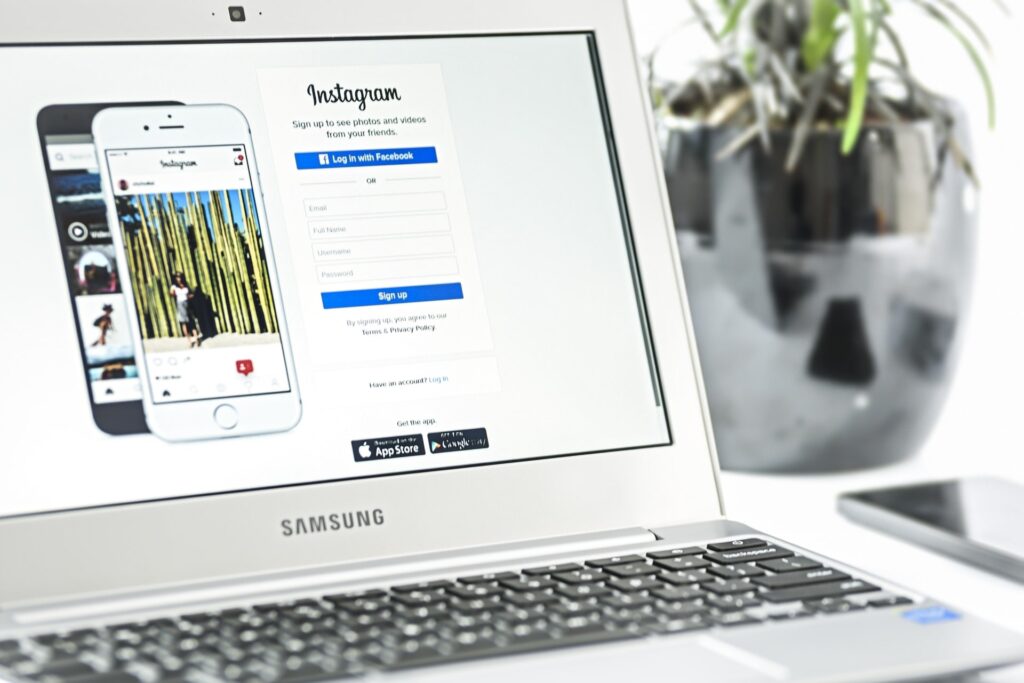
A majority of shopping enthusiasts turn to instagram for product discovery. They are often inspired by influencers to make a purchase. With Instagram Shopping, your Instagram page can be turned into a shoppable storefront. Thus making it that much easier for your customers to find you and buy your product.
Twitter allows you to communicate with your audience in short messages, up to 280 characters long. If you’re less about visuals and more about sharing your strong brand voice, this might be the platform for you!
Twitter is great for sharing blog posts and other links to your content, and it’s easy to interact with users. The ability to use hashtags (#) and mentions (@) is like free targeting to reach your ideal audience.
Pinterest is best for niche businesses. Most of the content found on Pinterest revolve around DIY projects, home decor, cooking/recipes, fashion, beauty, photography and travel. Of course, this doesn’t mean that other businesses can’t find success on Pinterest! Creative visuals can go a long way, no matter what you’re trying to promote. It just means that most of the users on Pinterest, a majority of them female, will expect to find those categories.
What sets Pinterest apart from the other platforms is that it can be used like a visual search engine. Users on Facebook, Instagram, and Twitter typically log on to browse through content, while Pinterest users will log on to find something specific. This means that people on Pinterest are more likely in-market to buy something, and are more likely to convert on your website!
LinkedIn is less for socializing and more for professional networking. You are more likely to find a business partner than a customer on LinkedIn, unless you are in a B2B industry. You can also use LinkedIn for job recruitment to help you find the perfect candidates for your open positions.
If you’re trying to reach other businesses and show that you are an expert in your industry, here are a few tips to help get your business’s name out there:
- Make sure your posts are a mixture of your own content (maybe a blog post or a presentation you created) and shared content from other sources.
- Engage with people in your industry through LinkedIn Groups to start conversations with people in your niche.
- Do not be overly self-promotional. Since people come to LinkedIn to connect professionally, they typically don’t want to be sold to. Keep your focus on sharing industry information rather than advertisements for your product/service.
We’re ready to help you find the best social media platform for you
At Team WTI, we want to help you enhance your online presence and put your business in front of the right audience. Contact us today to learn how our social media experts can create the best plan on the best platforms that work for you!